


Experiencing pain under the armpit can be a frustrating and concerning issue. This comprehensive guide explores the various causes of this discomfort, from swollen lymph nodes and skin conditions to muscle strains and breast-related problems. By understanding the underlying reasons for armpit pain, readers can take the necessary steps to address the problem and find lasting relief.
The armpit area, also known as the axilla, is a complex region of the body that houses a variety of structures, including lymph nodes, muscles, nerves, and skin. Any disruption or irritation to these components can lead to pain and discomfort. In this article, we’ll delve into the common causes of armpit pain and provide effective treatments and strategies for managing this issue.
Key Takeaways
- Armpit pain can be caused by a variety of factors, including swollen lymph nodes, skin conditions, muscle strain, breast issues, infection, and nerve compression.
- Accurate diagnosis of the underlying cause is crucial for effective treatment.
- Treatment options may include medication, lifestyle changes, and, in some cases, medical procedures.
- Seeking prompt medical attention is essential for managing persistent or severe armpit pain.
- Preventive measures, such as maintaining good hygiene and avoiding excessive repetitive motions, can help reduce the risk of armpit discomfort.
Understanding Armpit Pain
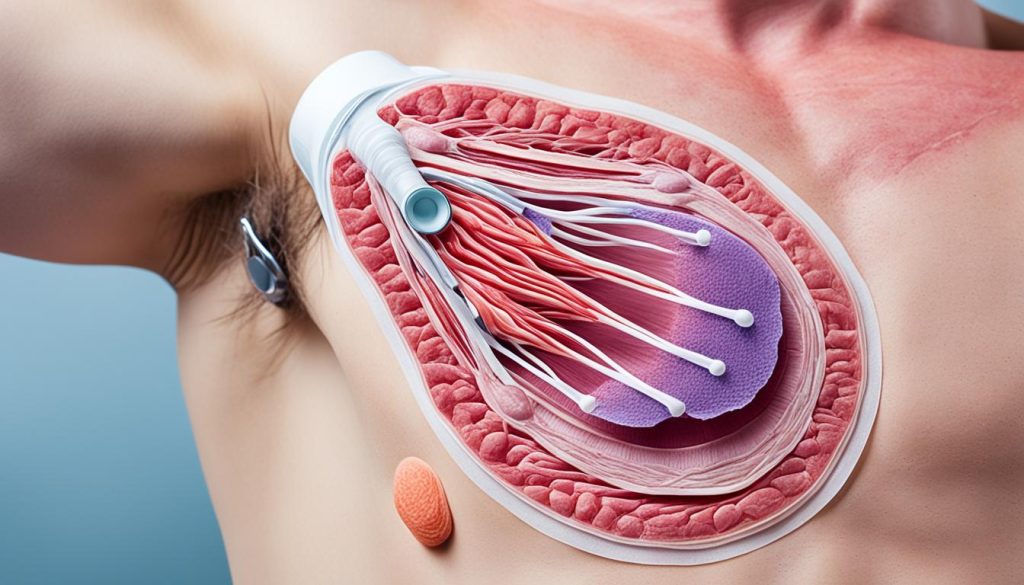
To better comprehend the causes of armpit pain, it’s crucial to understand the anatomy of the armpit area. The armpit, also known as the axilla, is a complex region that houses a variety of structures, including lymph nodes, muscles, nerves, and blood vessels. Any issues or disturbances affecting these components can lead to discomfort and pain in the armpit.
Anatomy of the Armpit
The armpit is a triangular-shaped space located between the upper arm and the chest wall. It contains a network of lymph nodes that play a vital role in the body’s immune system, filtering and draining lymph fluid from the upper body. Additionally, the armpit houses several muscles, including the pectoralis major and minor, the latissimus dorsi, and the teres major and minor, all of which contribute to arm movement and shoulder stability. Nerves, such as the brachial plexus, also travel through the armpit, innervating the arm and providing sensation.
Common Causes of Armpit Discomfort
Various factors can lead to armpit pain, including swollen lymph nodes, skin conditions, muscle strains, breast-related issues, infections, and nerve compression. Understanding the potential causes can help individuals better identify the root of their discomfort and seek appropriate treatment.
Swollen Lymph Nodes
Swollen lymph nodes are a common cause of discomfort in the armpit area. These small, bean-shaped glands play a crucial role in the body’s immune system, filtering out harmful substances and trapping bacteria, viruses, and other foreign invaders. When the lymph nodes become swollen or enlarged, it can lead to a range of symptoms, including pain, tenderness, and a noticeable lump or mass under the skin.
There are several reasons why swollen lymph nodes may occur, including infections, immune system reactions, and certain medical conditions. Viral or bacterial infections, such as the common cold, flu, or streptococcal throat infections, can cause the lymph nodes to swell as the body’s immune system works to fight off the invading pathogens. Additionally, autoimmune disorders, certain types of cancer, and other chronic medical issues can also lead to swollen lymph nodes in the armpit area.
The symptoms of swollen lymph nodes may vary depending on the underlying cause, but they often include:
- A palpable, movable lump or mass in the armpit
- Tenderness or pain in the affected lymph node
- Redness or warmth in the area around the swollen lymph node
- Difficulty moving the arm or shoulder on the affected side
It’s important to note that swollen lymph nodes can contribute to discomfort and pain in the armpit region, and it’s essential to seek medical attention to determine the underlying cause and receive appropriate treatment. Proper diagnosis and management of swollen lymph nodes can help alleviate the associated armpit pain and prevent potential complications.
Skin Conditions and Rashes
Certain skin conditions and rashes can also lead to pain and discomfort in the armpit area. This section focuses on two common skin issues, Hidradenitis Suppurativa and Intertrigo, explaining their symptoms, causes, and how they can affect the armpit region.
Hidradenitis Suppurativa
Hidradenitis Suppurativa is a chronic, inflammatory skin condition that primarily affects the armpit, groin, and other areas with apocrine sweat glands. It is characterized by the development of painful, boil-like lesions that can rupture and lead to the formation of abscesses and sinus tracts. This condition can cause significant discomfort, swelling, and drainage in the armpit, making it difficult to perform daily activities.
The exact cause of Hidradenitis Suppurativa is not fully understood, but it is believed to be related to a combination of factors, including genetic predisposition, hormonal imbalances, and the blockage of hair follicles and sweat glands. Certain lifestyle factors, such as obesity, smoking, and stress, may also contribute to the development and worsening of this condition.
Intertrigo
Intertrigo is a type of fungal skin rash that typically occurs in warm, moist areas of the body, such as the armpits, groin, and other skin folds. This condition is characterized by red, raw, and often itchy skin in the affected areas. The moist environment and friction between skin surfaces can create an ideal environment for the growth of fungal organisms, leading to the development of intertrigo.
Factors that can increase the risk of developing intertrigo include poor hygiene, excessive sweating, obesity, and certain medical conditions that weaken the immune system. Proper hygiene, keeping the affected areas clean and dry, and using antifungal treatments can help manage and resolve intertrigo in the armpit region.

Muscle Strain or Injury
Another common source of discomfort in the armpit area is muscle strain or injury. Overuse or repetitive motions can often lead to these types of armpit muscle strains and armpit muscle injuries. Understanding the causes and symptoms of these muscle-related issues can help individuals address the underlying problem and find relief.
Overuse or Repetitive Motions
Activities that involve frequent or prolonged use of the armpit muscles, such as certain sports, physical labor, or even daily tasks, can result in overuse of armpit muscles and repetitive motion injuries. These repetitive movements can cause the muscles in the armpit area to become strained, leading to pain, swelling, and decreased range of motion.
Common signs of an armpit muscle strain or armpit muscle injury include sharp pain, aching, tenderness, and difficulty moving the affected arm. In some cases, individuals may also experience bruising or swelling in the armpit region.
To address these muscle-related issues, it’s important to rest the affected area, apply ice to reduce inflammation, and consider over-the-counter pain medications or anti-inflammatory creams. In more severe cases, or if the pain persists, seeking medical attention from a healthcare professional may be necessary to diagnose and properly treat the underlying condition.
Breast-Related Causes
While many cases of armpit pain can be attributed to issues like swollen lymph nodes, skin conditions, or muscle strain, certain breast-related conditions can also contribute to discomfort in the armpit area. In this section, we’ll explore two common breast-related causes of armpit pain: breast cysts and lumps, as well as mastitis.
Breast Cysts and Lumps
Breast cysts and lumps can develop for a variety of reasons, ranging from hormonal changes to underlying medical conditions. These breast-related issues can sometimes cause pain or discomfort that radiates into the armpit region. The presence of a breast cyst or lump may lead to a feeling of fullness, heaviness, or even a noticeable swelling in the armpit area.
It’s important to note that not all breast cysts and lumps are cancerous, but they should still be evaluated by a healthcare professional. Proper diagnosis and treatment of these breast-related conditions can help alleviate any associated armpit pain related to breast issues.
Mastitis
Mastitis is an inflammatory condition that often occurs in breastfeeding individuals, but it can also affect those who are not lactating. This condition can cause the breast tissue to become swollen, red, and painful, with the discomfort sometimes extending into the armpit region.
Mastitis is typically caused by a bacterial infection, and it requires prompt medical attention to prevent the condition from worsening. Prompt treatment with antibiotics or other interventions can help resolve the armpit pain related to breast issues associated with mastitis.
Infection and Abscesses
Armpit infections and the formation of abscesses in the armpit area can lead to significant pain and discomfort. These types of issues can develop due to a variety of factors, including poor hygiene, ingrown hairs, skin trauma, or the spread of bacteria from other parts of the body.
One common type of armpit infection is a bacterial infection, which can cause the development of boils or abscesses in the armpit region. These painful, pus-filled lesions often arise from clogged sweat glands or hair follicles that become infected. The symptoms of an armpit infection may include redness, swelling, warmth, and a throbbing sensation in the affected area.
Another potential cause of armpit infections is a fungal infection, such as intertrigo, which can occur in the warm, moist environment of the armpit. This type of infection can lead to a red, itchy rash and may also cause the development of small, fluid-filled blisters.
In some cases, armpit infections can progress to the formation of an abscess, a pocket of pus that develops beneath the skin. Abscesses can be extremely painful and may require medical treatment, such as drainage or antibiotics, to resolve the issue.
Recognizing the symptoms of an armpit infection or abscess and seeking prompt medical attention is essential for preventing the condition from worsening and ensuring proper treatment. By addressing these types of issues in a timely manner, individuals can find relief from the discomfort and prevent potential complications.
Nerve Compression or Pinched Nerve
Another possible source of armpit nerve compression or a pinched nerve in the armpit can contribute to the discomfort experienced in this area. The nerves that run through the armpit region can become compressed or irritated, leading to various symptoms of nerve pain in the armpit.
One of the primary causes of nerve pain in the armpit is the compression or impingement of the brachial plexus, a network of nerves that originate from the spinal cord and extend into the arm. This brachial plexus can become compressed due to factors such as muscle tightness, scar tissue, or even the presence of a tumor or cyst in the armpit area.
When the nerves in the armpit are compressed or irritated, individuals may experience a range of symptoms, including:
- Tingling or numbness in the armpit and down the arm
- Weakness or loss of sensation in the affected arm
- Sharp, burning, or shooting pain in the armpit region
- Reduced range of motion or difficulty lifting the arm
It’s important to seek medical attention if you suspect armpit nerve compression or a pinched nerve in the armpit, as prompt diagnosis and appropriate treatment can help alleviate the discomfort and prevent further complications.
pain under the armpit
When it comes to pain under the armpit, individuals may experience a wide range of sensations, from sharp and stabbing to dull and aching. The types of pain under the armpit can also vary in their severity, with some causing mild discomfort while others can be quite debilitating.
One common type of armpit pain is a sharp, shooting pain that can radiate down the arm or up into the neck. This type of pain is often associated with a pinched nerve or muscle strain. On the other hand, a dull, throbbing ache may indicate an underlying issue, such as a swollen lymph node or a skin condition like hidradenitis suppurativa.
In some cases, the pain under the armpit may be accompanied by a burning or tingling sensation, which can be indicative of nerve-related problems or an infection. Regardless of the type of pain experienced, it is essential to pay attention to the severity and any accompanying symptoms, as this can help healthcare professionals pinpoint the underlying cause and provide appropriate treatment.
“Accurately describing the pain under the armpit to your healthcare provider can greatly assist in the diagnostic process and ensure you receive the most effective care.”
By being mindful of the types of pain and their severity, individuals can better communicate their specific experiences to healthcare professionals, enabling them to receive the most accurate diagnosis and personalized treatment plan for their armpit pain.
Diagnosing Armpit Pain
When experiencing discomfort or pain in the armpit area, it’s crucial to seek medical attention to accurately diagnose the underlying cause. Healthcare professionals will typically follow a comprehensive diagnostic process to identify the source of the problem and develop an effective treatment plan.
Physical Examination
The first step in diagnosing armpit pain is a thorough physical examination. During this assessment, the healthcare provider will carefully inspect the armpit area, feeling for any abnormalities, such as swollen lymph nodes, skin lesions, or areas of tenderness. They may also ask questions about the patient’s medical history, symptoms, and any recent activities that may have contributed to the pain.
Imaging Tests and Procedures
Depending on the findings from the physical examination, the healthcare provider may recommend additional imaging tests or medical procedures to further investigate the cause of the armpit pain. Some common diagnostic tools used in this process include:
- Ultrasound: This imaging technique can help detect any abnormalities in the lymph nodes, breast tissue, or muscles in the armpit area.
- X-ray: An X-ray can identify any underlying bone or joint issues that may be contributing to the armpit discomfort.
- MRI: Magnetic resonance imaging (MRI) can provide detailed images of the soft tissues, muscles, and nerves in the armpit region, helping to diagnose more complex or deep-seated problems.
- Biopsy: In some cases, a small sample of tissue or fluid may be taken from the armpit area for further analysis to rule out conditions such as cancer or infection.
By combining the findings from the physical examination and any necessary imaging tests or procedures, healthcare providers can accurately diagnose armpit pain, physical exam for armpit pain, imaging tests for armpit pain, and medical procedures for armpit pain, allowing them to develop the most appropriate treatment plan for the individual patient.
Conclusion
Throughout this comprehensive guide, we’ve explored the various causes and treatments for pain under the armpit. From swollen lymph nodes and skin conditions to muscle strains, breast-related issues, and nerve compression, we’ve delved into the complexities of armpit discomfort. By understanding the underlying anatomy and potential sources of pain, readers can now better identify the root cause of their discomfort and take the necessary steps to address it.
The key takeaways for effectively managing armpit pain include being aware of the common causes, recognizing the associated symptoms, and promptly seeking medical attention from healthcare professionals. Whether it’s a skin condition like Hidradenitis Suppurativa, a breast-related concern such as a cyst or lump, or a muscle strain from overuse, knowing the appropriate treatment options can make a significant difference in finding relief and preventing the problem from worsening.
In summary, this article has provided a detailed overview of the causes and treatments for pain under the armpit, equipping readers with the knowledge to better understand and manage this often-overlooked source of discomfort. By consulting with healthcare providers and exploring the various strategies outlined here, individuals can take proactive steps towards alleviating their armpit pain and improving their overall well-being.